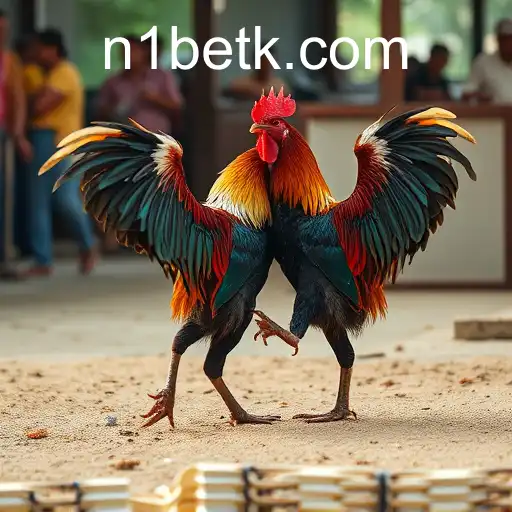
Rinha de Galos: A Complex Tradition with Controversial Standing
The tradition of Rinha de Galos, or cockfighting, is a practice deeply embedded in the cultural fabric of several countries across the globe. Despite its widespread prevalence, it is a subject of intense debate and legal scrutiny. Those who participate and support the activity often regard it as a cultural spectacle with historical significance, while opponents view it as a cruel form of animal cruelty that must be abolished. In this article, we delve into the multifaceted world of cockfighting, exploring its cultural roots, contemporary practice, and the controversy surrounding it.
The Historical Roots of Rinha de Galos
Regarded as one of the oldest continuous sporting activities, cockfighting has a rich but contentious history. Dating back over 6000 years, the earliest accounts of Rinha de Galos can be traced to ancient civilizations such as the Indus Valley and the Roman Empire. This age-old tradition found its way to regions like Southeast Asia, the Caribbean, and Latin America, where it remains enduringly popular.
In many of these areas, cockfighting holds cultural significance that transcends mere entertainment. Historical accounts suggest that cockfighting served both as a ceremony and a social gathering, blending aspects of gambling, community, and spirituality. The birds, often seen as symbols of courage and fighting spirit, brought people together and played a role in local traditions and festivities.
69BR and The Modern Arena of Rinha de Galos
Today, cockfighting exists in varied forms around the world, influenced by local customs and regulations. Enter 69BR, a term that references a contemporary manifestation of cockfighting events and networks that harness digital platforms to promote this age-old practice.
The advent of digital connectivity stands out as a defining characteristic of the modern Rinha de Galos. Platforms and communities have emerged to share content related to the training, breeding, and battling of gamecocks. By engaging through social media and specialized websites, enthusiasts sustain the proliferation of ideas and practices associated with the sport, often circumventing legal barriers.
In this digital age, 69BR signifies more than a keyword; it represents an unprecedented intersection between tradition and modernity. It allows participants and viewers from around the globe to connect, share experiences, and exchange techniques in unprecedented ways, fostering a new era of cockfighting community.
The Cultural Significance of Cockfighting
For communities that uphold the tradition of cockfighting, Rinha de Galos is more than just a sport—it is part of their cultural identity. These events offer opportunities for communal gatherings, economic exchange, and the preservation of cultural heritage. Cockfighting pits serve as spaces where the participants come together in rites of passage and community celebrations, reinforcing social bonds and local traditions.
In rural and agrarian societies, particularly in regions across South America and Asia, the sport is intrinsically linked to local agrarian lifestyles. Farmers and hobbyists invest significant time and resources in breeding and training birds, hoping to produce formidable competitors. For younger generations, cockfighting events offer a glimpse into cultural practices of their ancestors, sometimes rekindling pride and interest in the continuation of these customs.
Legal and Ethical Controversies
Despite its longstanding cultural roots, Rinha de Galos faces challenges from both legal authorities and animal rights advocates. Many governments have enacted laws prohibiting or regulating the practice, citing cruelty concerns and public order. Enforcement of these laws, however, varies widely, with some regions turning a blind eye in the face of cultural exceptions or economic interests.
Animal rights organizations argue against Rinha de Galos as a form of entertainment that cruelly exploits animals. They highlight the harsh conditions under which gamecocks are raised and the often fatal outcomes for the birds involved. The ethical opposition hinges on modern perspectives of animal welfare, emphasizing compassion and the prevention of unnecessary suffering.
The Economic Impact of Rinha de Galos
The economic ramifications of cockfighting are substantial, particularly in areas where the practice forms a crucial part of local livelihoods. Breeding and training prize gamecocks require an investment in resources such as time, money, and knowledge. For many rural communities, the sport and its ancillary industries—such as breeding farms, feed supply, and event hosting—provide essential economic sustenance.
Furthermore, betting associated with cockfighting events attracts large sums of money, influencing local economies and serving as a significant source of income for many involved. Despite its legal status, betting remains a potent allure for individuals seeking financial gains and excitement from the outcomes of these matches.
The Future of Rinha de Galos
As discussions around animal rights and cultural preservation continue to evolve, the future of Rinha de Galos is uncertain. While some argue for its abolition on moral grounds, others call for regulated oversight that respects cultural traditions while ensuring humane treatment of animals.
As we move forward, the dialogue surrounding Rinha de Galos, and the presence of modern references such as 69BR, illustrates the complex interplay between tradition, culture, economy, and ethics. This debate underscores a broader conversation about the preservation of cultural heritage amidst evolving modern values.