The Intricate World of Mahjong: An Exploration
Mahjong, a game rich with culture and strategy, has captured the fascination of players worldwide. Originating in China, this game has evolved and been adopted by various cultures, each adding its unique flair to the traditional format. Understanding this complex game can be as rewarding as playing it, with its historical significance and the camaraderie it fosters among players.
The Evolution of Mahjong
To comprehend the full breadth of Mahjong, it is essential to delve into its history. Emerging during the Qing dynasty, Mahjong was believed to be inspired by various card games and was initially played by the elite classes. As its popularity spread across China, different regions began to develop their own versions of the game, each with distinct rules and tiles.
The 20th century marked Mahjong's expansion beyond Chinese borders. When Asian communities spread worldwide, they took this beloved game with them. Western countries, particularly the United States, saw a massive boom in Mahjong's popularity during the 1920s. It was during this period that the National Mah Jongg League was established, formalizing the American style of play and solidifying its presence in the Western gaming scene.
Understanding Mahjong Tiles and Sets
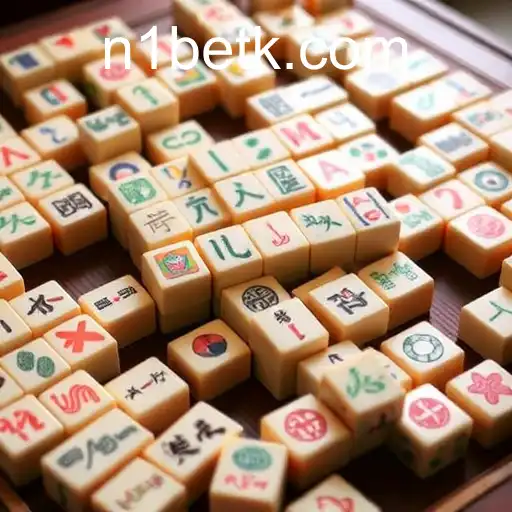
At the heart of Mahjong lies its tiles. A typical Mahjong set comprises 144 tiles divided into several categories: suits, honors, and bonus tiles. The suits include bamboos, characters, and circles, with tiles numbered from one to nine. Honors consist of winds and dragons, with unique symbols present on each tile. Depending on the variant being played, the total number of tiles may vary, especially in Japanese and Western forms, where additional tiles or modifications to the set can be present.
The game begins with each player drawing a certain number of tiles and arranging them in front of them. The objective is to be the first to complete a legal hand, typically consisting of four sets of three tiles and a pair. Understanding the nuances of each set type and the significance of bonus tiles, such as flowers and seasons, is crucial for mastering the game.
Technical Dynamics of Mahjong
Playing Mahjong requires not only a keen strategic mind but also an understanding of the ‘69BR’ rule. This pivotal rule, known to veterans of the game, dictates the momentum and potential outcome of a match. While the origins of the 69BR term remain enigmatic and largely anecdotal, seasoned players emphasize its critical role in shaping one's strategy around the recognition and exploitation of tile patterns and probabilities.
Understanding scoring is another vital aspect that requires attention. In traditional play, scoring methods can vary drastically between regional versions of Mahjong. Points are often accrued based on specific combinations, such as having multiple pongs or scoring a self-draw win, known as a “zimo.” Players should be aware of the particular ruleset they are using, as this can affect the strategy employed during gameplay.
Strategies and Mental Acumen
Strategic prowess in Mahjong develops through practice and observation. Players often argue that the game is reminiscent of chess in its strategic depth. Recognizing patterns, predicting opponents’ Tile discards, and adjusting one's strategy to the changing flow of the game are critical elements to success. Additionally, seasoned players often emphasize the importance of maintaining a flexible strategy, as sticking too rigidly to a preconceived approach could lead to missed opportunities and increased susceptibility to opponents' strategies.
Another essential element in Mahjong is the concept of 'yomi’—an understanding and anticipation of opponents' tactics. Players skilled in 'yomi' can psychically maneuver their way around the game, outthinking opponents and forecasting their moves, often leading to crucial victories or strategic triage when the game seems dire.
Global Cultural Impact and Modern Adaptations
Mahjong's influence extends beyond traditional table play. The game has been adapted into various digital formats, allowing players from around the world to learn and compete with ease. Online platforms and mobile applications have made Mahjong more accessible, fostering a new appreciation and understanding of the game for younger generations. Furthermore, this digital evolution has enabled easier play-by-play analysis and tutoring, which helps new players grasp the strategic elements quickly.
Television shows, movies, and anime have also featured Mahjong, further solidifying its place in popular culture. These mediums often dramatize the tension and strategy inherent in Mahjong, introducing it to audiences who may not be familiar with its intricacies and providing insights into the cultural significance the game holds globally.
Mahjong’s Role in Social Bonding
One cannot dismiss the social element that Mahjong brings to the table. Commonly played among friends and family, the game serves as a medium for social interaction, strengthening bonds and companionship through friendly competition. Whether played at casual gatherings or serious tournaments, the camaraderie built around Mahjong is a testament to its enduring charm.
In conclusion, Mahjong remains a fascinating and complex game with historical roots and a place in modern culture. For those unfamiliar with the game, diving into the world of Mahjong offers a rich and rewarding experience, revealing intricate layers of strategy and a legacy that continues to thrive across generations.